Welcome to our comprehensive guide on the art of repairing damaged leather bags! Leather bags are more than mere accessories. They’re statements of style and sophistication. But while we adore our favorite pieces of leather companionship, wear and tear from daily use may require them some TLC from time to time.
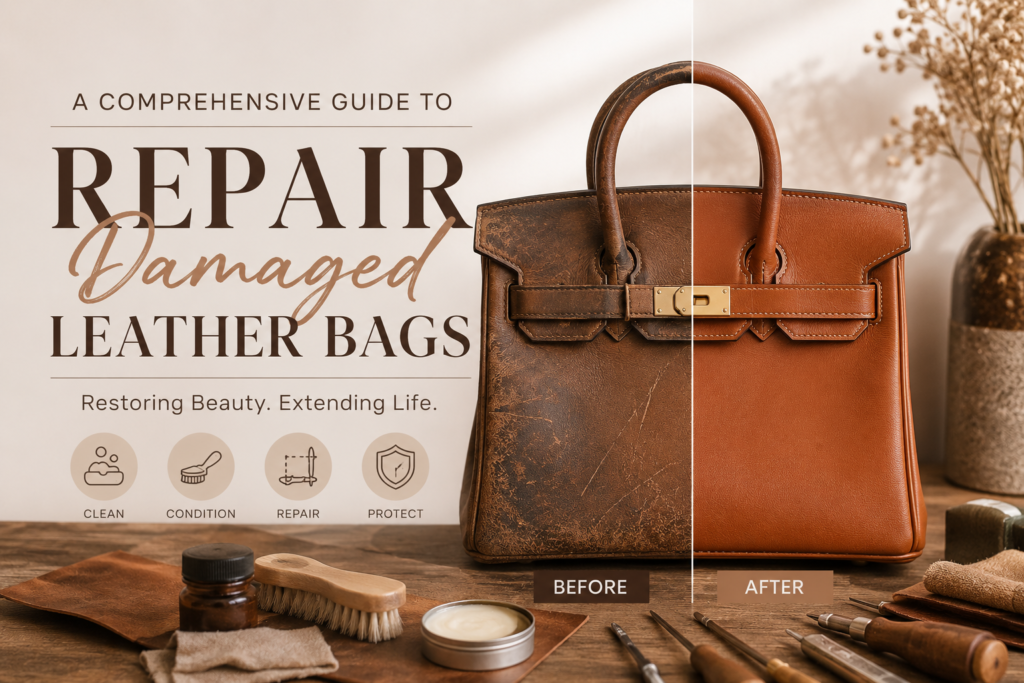
Fear not. Our comprehensive guide is here to be your leather bag’s savior! Whether it be an exquisite vintage find, designer investment piece, or well-loved everyday bag. Every leather bag holds special meaning and sentimental value. Our aim is to equip you with all of the knowledge and techniques required to restore stories, memories, and allure of leather craftsmanship while celebrating the timeless allure of this craft.
Through this guide, we’ll uncover the mysteries of leather and explore its various types and vulnerabilities; as well as identify effective repair techniques for it. From understanding their different forms to understanding signs of damage detection, we will walk you through each step to rejuvenating your leather bags.
No matter your skill level or need, we have you covered. From DIY enthusiasts to those seeking professional assistance, we provide step-by-step instructions for common repair techniques and advice when calling in the experts. In addition, we’ll explore preventive maintenance to ensure your leather bags not only receive the repairs they require but are resilient against future challenges.
If you have ever found yourself gazing upon an old leather bag in distress and hoping to restore it to its former glory, this guide is your roadmap. Let’s embark together on this adventure and celebrate leather’s timeless elegance while mastering repair techniques.
Understanding Leather and Its Vulnerabilities
Luxury leather bags owe their exquisite beauty to the myriad of leather types used in their creation. Ranging from full-grain leather’s soft elegance to the subtle allure of patent leather. Each variety bears unique traits that define its beauty and resilience.
Numerous factors impact leather’s vulnerability, making it important to understand their impact. Sunlight and harsh environmental elements can cause leather to lose its shine, fade and become brittle. Moisture damage leads to staining, warping, mold, or mildew growth, and warp staining. While wear causes creasing, scuffing, and even structural compromise over time.
Acknowledging these vulnerabilities highlights the significance of timely repair. A stitch in time saves nine when it comes to luxury leather bags – so promptly attending to any minor issues may prevent them from developing into irreparable damage and extend its beauty over time. Stay tuned as we learn how to identify and treat signs of wear successfully!
Signs of Leather Bag Damage
Luxury leather bags, exquisite as they are, are not immune to the ravages of time and use. Recognizing the telltale signs of damage is the first step toward preserving their magnificence.
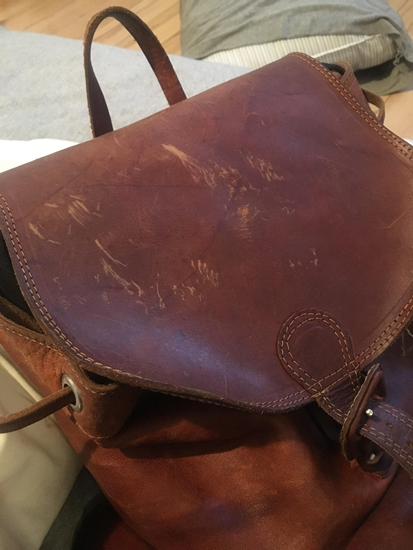
- Scratches and scuffs on the surface are often the most noticeable signs of wear. These can occur due to accidental contact with rough surfaces or sharp objects.
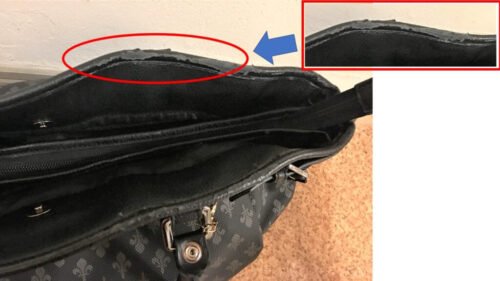
2. Tears, though less common, can be distressing when they happen. They may result from excessive strain or even mishandling.
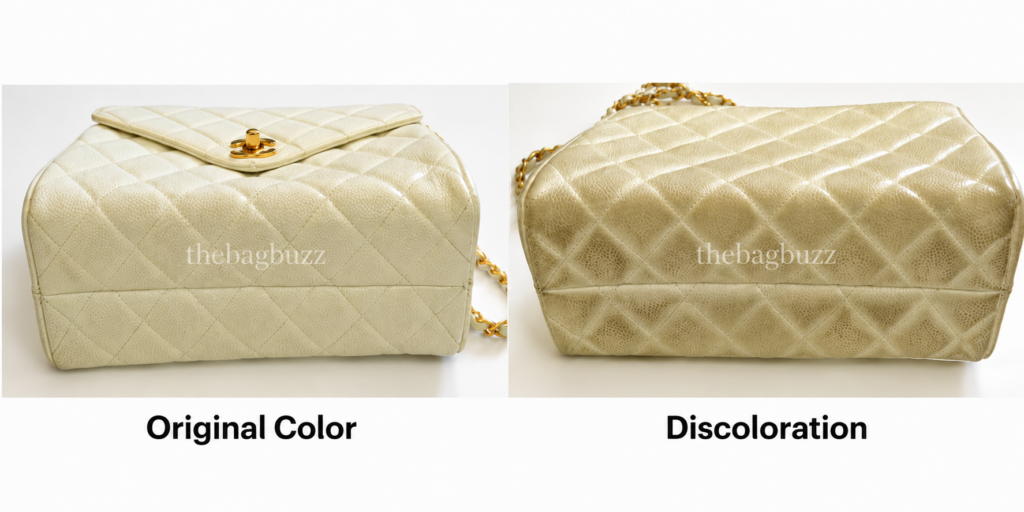
3. Discoloration is another concern, as leather’s vibrant hues can fade or change over time due to exposure to sunlight, moisture, or improper cleaning methods. While these signs might seem minor at first, their impact can accumulate and degrade the bag’s overall appearance.
Emphasizing the significance of prompt inspection is crucial. Regularly assessing your leather bag allows you to catch these signs early on, preventing further deterioration. What appears to be a minor scratch today can deepen into a larger blemish tomorrow. Hence, immediate action can mean the difference between a quick repair and a more extensive restoration.
It’s essential to comprehend that minor damage can worsen over time if not addressed. A small tear, for example, can gradually expand as pressure is exerted on it. Additionally, scratches and scuffs can compromise the leather’s protective top layer, leaving it more susceptible to moisture and discoloration.
By taking a proactive approach and promptly addressing these signs of damage, you not only retain your luxury leather bag’s visual splendor but also extend its longevity
The NECE Framework for Leather Bag Repair
Repairing a luxury leather bag involves more than just fixing superficial flaws; it’s about restoring its timeless beauty and ensuring its longevity. The NECE framework—Notify, Evaluate, Choose, Execute—acts as your compass through this intricate process, allowing you to navigate the repair journey with finesse and expertise.
Notify:
Acknowledge and Act: Promptly acknowledging damage is paramount. Ignoring signs can lead to further deterioration, jeopardizing the bag’s overall condition. Timely Address: Addressing damage promptly prevents it from escalating and safeguards against irreversible harm.
Evaluate:
Assess the Extent: Methodically evaluate the extent and severity of the damage. Scrutinize scratches, tears, and discoloration to understand the repair requirements. Prioritize Repairs: Distinguish between minor imperfections and significant structural issues that demand immediate attention.
Choose:
Repair Approach: Delve into the decision-making process: opt for DIY repair or enlist professional assistance. Consideration Matters: Reflect on factors like your comfort level with repair techniques, the complexity of the damage, and the bag’s value.
Execute:
Precision in Action: Execute chosen repair strategies with meticulous precision. Guided Steps: From scratches to tears, we provide detailed step-by-step instructions for various repair scenarios. Tools and Techniques: Discover the right tools and techniques for the job, ensuring successful execution.
The NECE framework empowers you to take control of your luxury leather bag’s restoration journey:
- Swift Action: Notification prompts swift action, preventing further damage.
- Informed Choices: Evaluation and choice ensure a strategic approach to repair.
- Expert Guidance: Execution comes with clear instructions and expert advice.
Whether you opt for hands-on repair or expert intervention, the NECE framework equips you to restore your luxury leather bag to its original splendor. In the upcoming sections, we’ll delve deeper into each stage, providing insights and actionable steps for a successful repair process.
Essential Tools and Materials
Embarking on a journey to repair your luxury leather bag requires a well-equipped toolkit and a keen eye for quality. The tools and materials you use play a pivotal role in the success of your repair efforts. Here’s a comprehensive guide to the essentials you’ll need:
Tools and Materials:
- Leather Repair Kits: These kits often include various adhesives, patches, and tools tailored for different types of leather damage.
- Awl: An awl is a sharp tool with a pointed end that is used to pierce holes in leather. It is essential for stitching leather together.
- Needles: Needles come in a variety of sizes and shapes, so it is important to choose the right needle for the job. For example, a smaller needle is better for stitching fine leather, while a larger needle is better for stitching thicker leather.
- Thread: Thread is used to stitch leather together. It is important to use a thread that is the same color as the leather bag.
- Leather Conditioners: Rich in essential oils, conditioners rejuvenate leather, restoring suppleness and preventing future damage.
- Sandpaper: Sandpaper is used to smooth out rough edges on leather. It is important to use fine grit sandpaper to avoid damaging the leather.
- Leather Dyes and Paints: Ideal for restoring color and covering scuffs and scratches.
- Leather Glue: High-quality adhesive for repairing tears, loose edges, and detached elements.
- Polishing Compounds: For bringing back the luster of faded or dull leather surfaces.
- Sponges and Cloths: Soft materials for gentle cleaning and application of products.
- Precision Tools: Tweezers, brushes, and precision knives for meticulous repairs.
- Protective finish: A protective finish is applied to the leather to protect it from the elements. It is important to use a finish that is specifically designed for leather.
Tailoring to Damage:
- Scratches and Scuffs: Microfiber cloths, leather conditioner, and dyes/paints for color restoration.
- Tears and Rips: Leather glue, adhesive patches, and precision tools for precise bonding.
- Discoloration: Leather dyes or paints to restore color vibrancy.
Quality Matters:
- Genuine Leather Products: Always use products specifically designed for leather to prevent unintended damage.
- Premium Brands: Invest in reputable brands known for producing leather-friendly tools and products.
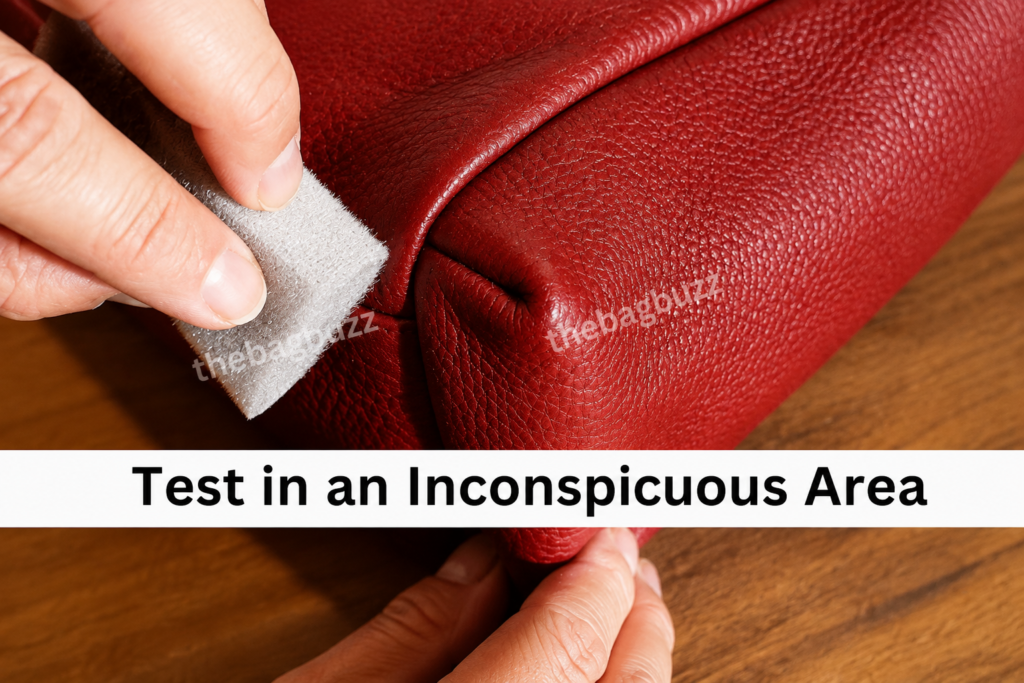
- Test Before Application: Before applying any product, perform a patch test on an inconspicuous area to ensure compatibility.
Using high-quality tools and materials tailored to your bag’s specific damage is crucial. Remember, every repair decision you make should reflect your commitment to preserving the luxury and elegance of your leather bag. As we progress, we’ll dive into practical techniques that seamlessly integrate these tools and materials to bring your bag back to its prime.
DIY Leather Bag Repair Techniques
Unveil your inner artisan as we delve into the realm of DIY leather bag repair techniques. Armed with the right tools and guidance, you can breathe new life into your beloved luxury leather bag. Below, we outline step-by-step instructions for common issues, ensuring a seamless repair process:
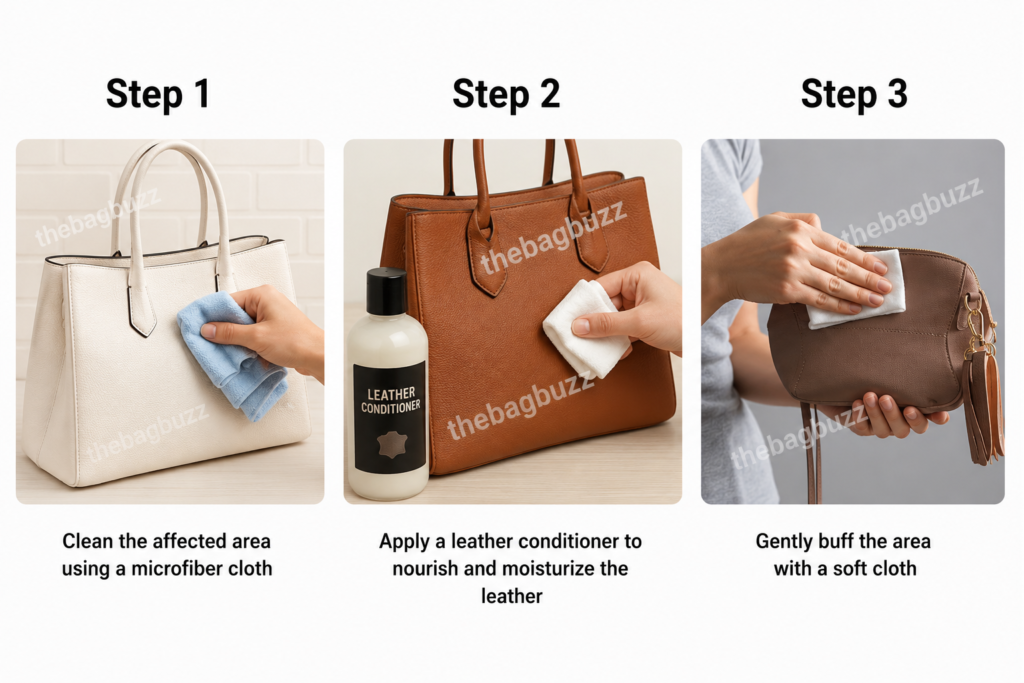
How to Repair Leather Scratches:
- Clean the affected area using a microfiber cloth.
- Apply a leather conditioner to nourish and moisturize the leather, often reducing the visibility of light scratches.
- Gently buff the area with a soft cloth to blend the scratch with the surrounding leather.
How to Repair Leather Scuffs:
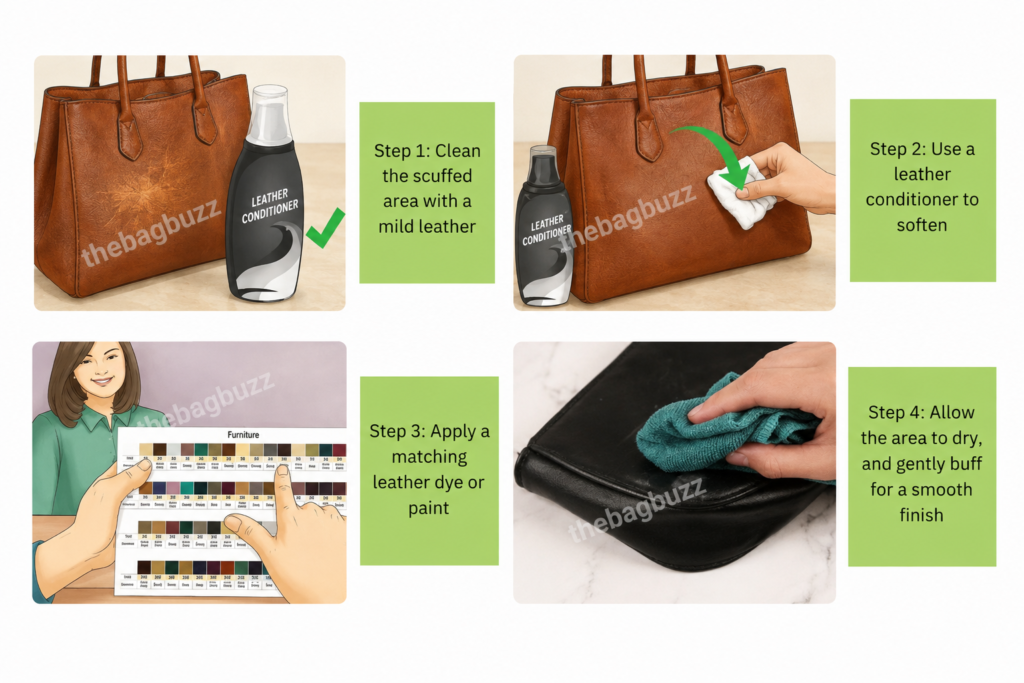
- Clean the scuffed area with a mild leather cleaner to remove dirt and grime.
- Use a leather conditioner to soften the scuffed leather.
- Apply a matching leather dye or paint, carefully blending it with the surrounding color.
- Allow the area to dry, and gently buff for a smooth finish.
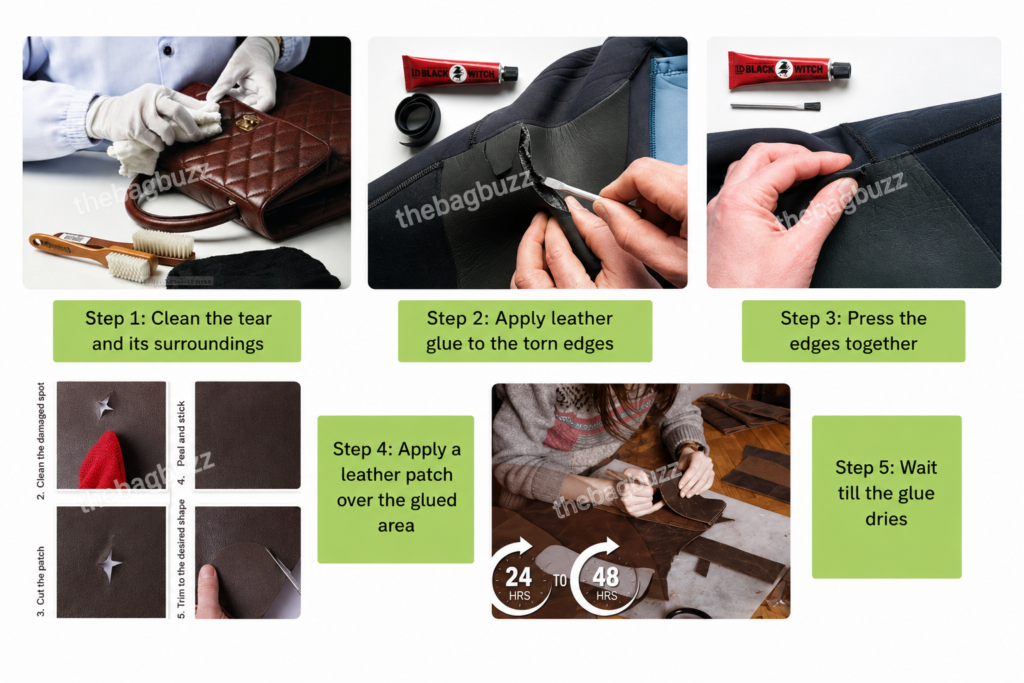
How to Repair Leather Tears:
- Clean the tear and its surroundings with a leather cleaner.
- Apply leather glue to the torn edges, ensuring a secure bond.
- Press the edges together and hold until the glue sets.
- Apply a leather patch over the glued area, ensuring it adheres evenly.
- Allow ample drying time before using the bag.
How to Fix Discoloration of Leather bags
- Clean the Bag: Before attempting any discoloration repair, ensure the bag is clean and free from dirt and debris. Use a mild leather cleaner and a soft cloth to gently clean the surface. Allow the bag to dry completely.
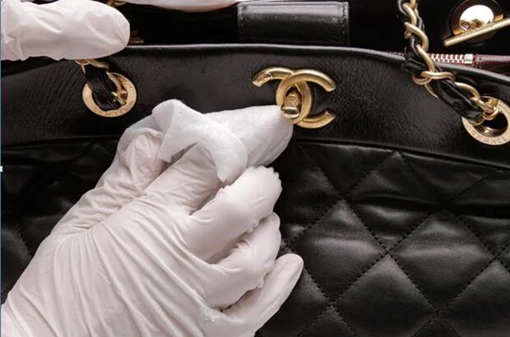
- Test in an Inconspicuous Area: Before applying any products, perform a patch test in a small, inconspicuous area to ensure that the product won’t cause further damage or discoloration.
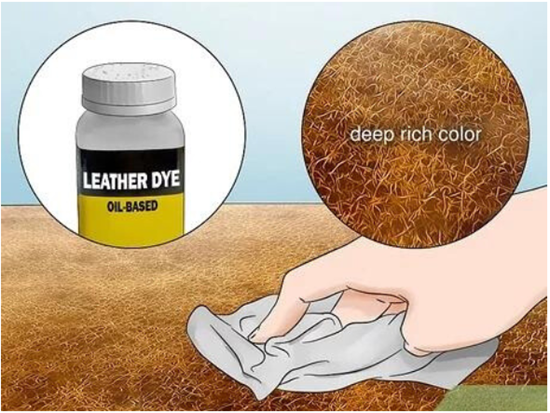
- Use Leather Dyes or Color Restoration Products: If the discoloration is significant or widespread, consider using leather dyes or color restoration products specifically designed for leather. Choose a dye that matches the bag’s original color. Apply the dye according to the manufacturer’s instructions, usually using a soft cloth or applicator.
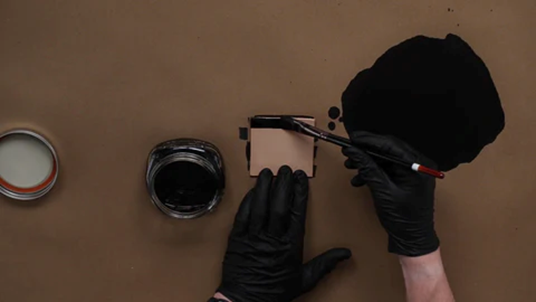
- Apply in Thin Layers: When applying the dye, use thin, even layers to avoid uneven coloring. Allow each layer to dry before applying the next. Be patient and take your time to achieve a smooth and consistent finish.
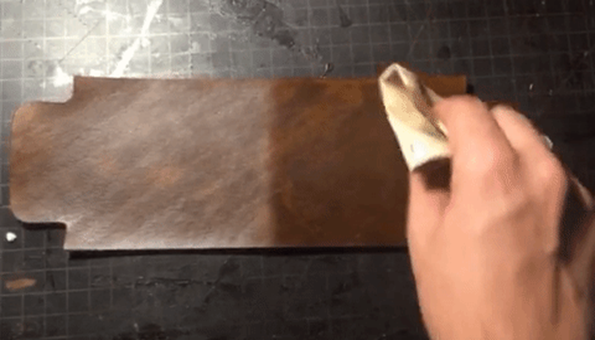
- Blend and Buff: After applying the dye, gently buff the dyed areas with a soft cloth to blend the color and achieve a natural look. Take care not to rub too vigorously to avoid removing the dye.
- Condition the Leather: Once the dye is dry and the color is satisfactory, apply a leather conditioner to moisturize and protect the leather. This helps restore the leather’s suppleness and adds a protective layer.
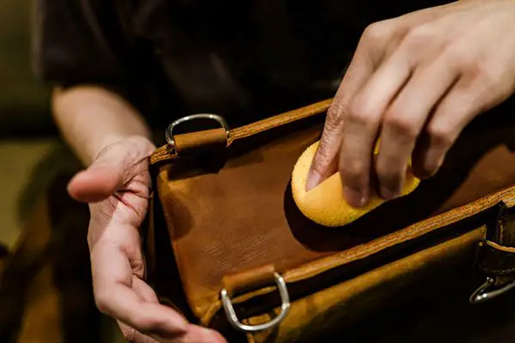
- Sunlight Exposure: After applying the dye, avoid exposing the bag to direct sunlight for extended periods, as sunlight can cause further fading or discoloration.
Remember that fixing discoloration can be challenging, and the results may vary based on the type of leather, the severity of the discoloration, and your application technique. If the discoloration is extensive or if you’re uncertain about the process, consider seeking professional assistance from experienced leather repair experts. They have the expertise to assess the damage and provide the best solutions for restoring your leather bag’s color and vibrancy.
What’s the best way to remove ink stains from leather?
There are a few ways to remove ink stains from leather. Here are a few methods that you can try:
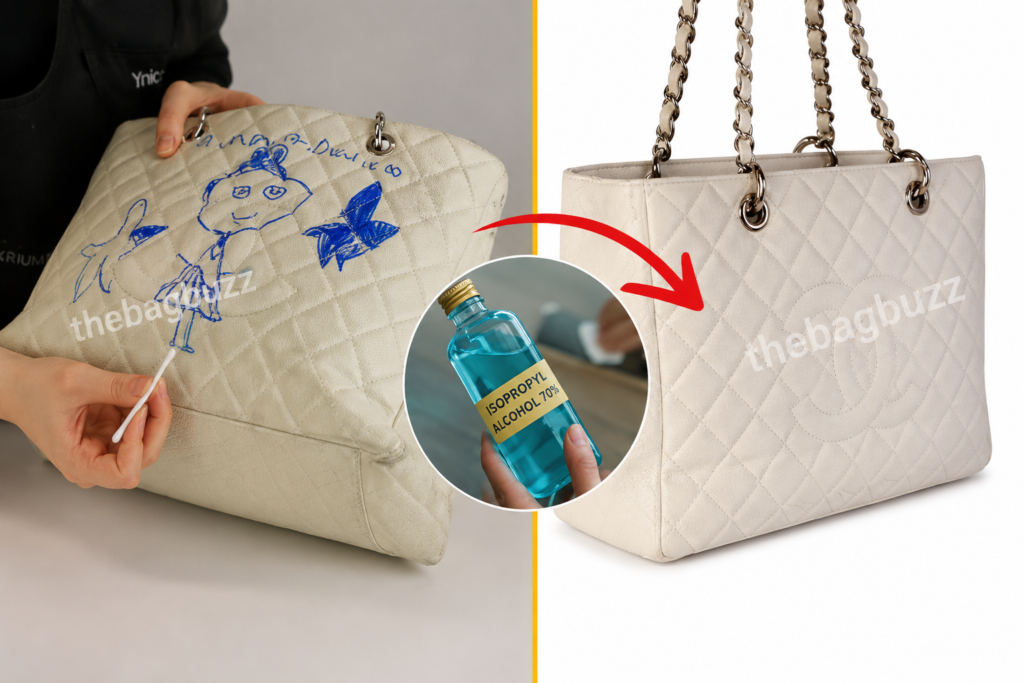
- Rubbing alcohol: Rubbing alcohol is a common household cleaner that can be effective at removing ink stains from leather. Dampen a cotton swab with rubbing alcohol and gently rub the stain in a circular motion. Be sure to test a small, inconspicuous area first to ensure that the rubbing alcohol does not damage the leather.
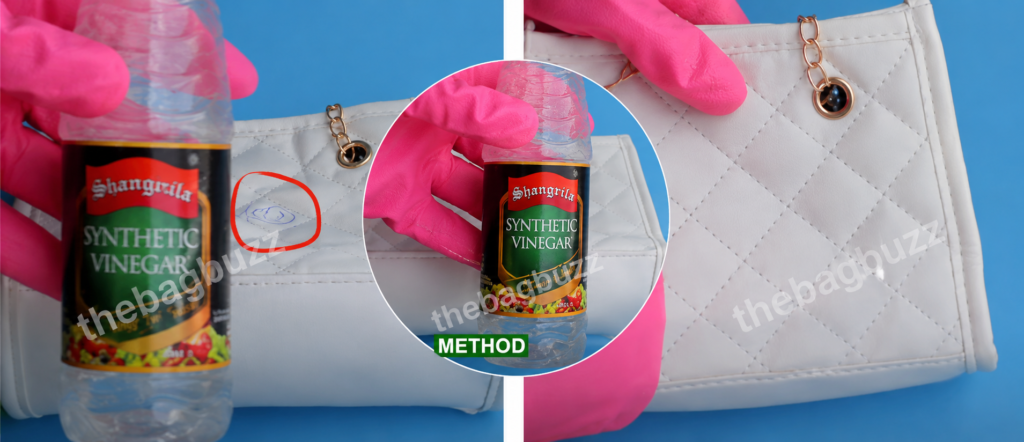
- White vinegar: White vinegar is another household cleaner that can be used to remove ink stains from leather. Mix equal parts white vinegar and water in a bowl. Dip a cotton swab in the solution and gently rub the stain in a circular motion. Be sure to test a small, inconspicuous area first to ensure that the vinegar does not damage the leather.
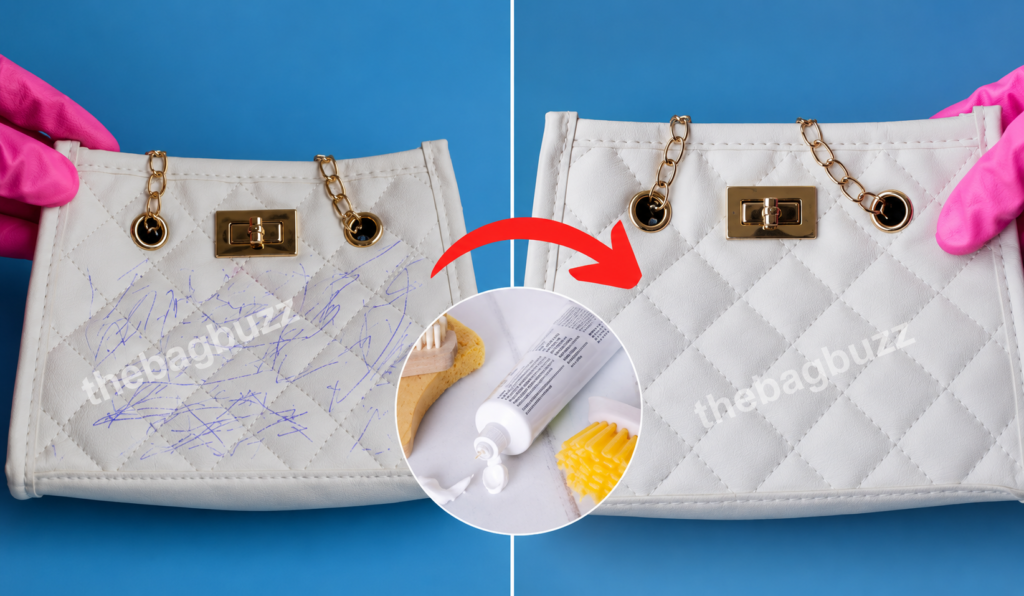
- Toothpaste: Toothpaste can also be used to remove ink stains from leather. Use a non-gel toothpaste and rub it into the stain using a damp cloth. After a few minutes, wipe away the toothpaste with a clean cloth.
- Hairspray: Hairspray can also be effective at removing ink stains from leather. Spray the stain with hairspray and let it sit for a few minutes. Then, wipe away the stain with a clean cloth.
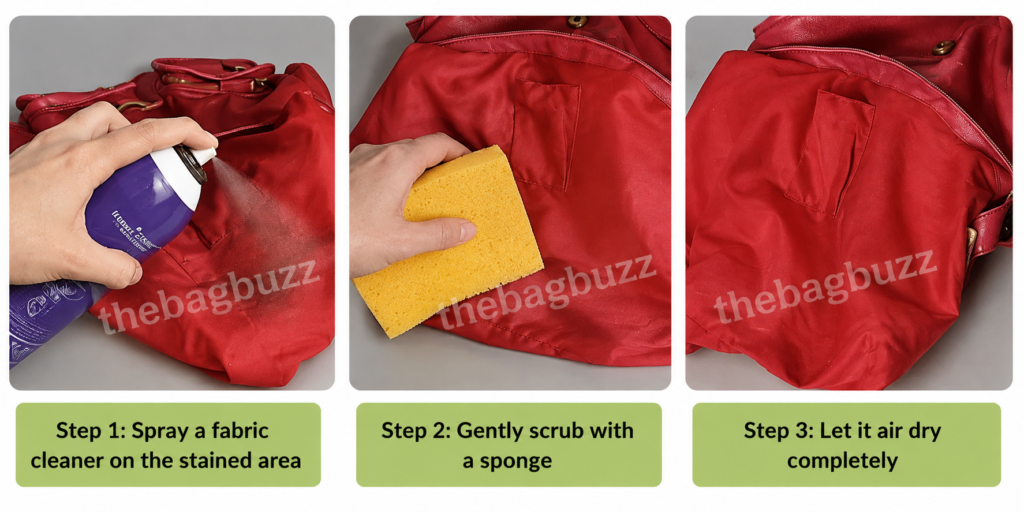
No matter which method you choose, it is important to be gentle when removing ink stains from leather. Rubbing too hard can damage the leather. It is also important to test the cleaning solution in an inconspicuous area first to ensure that it does not damage the leather.
Once you have removed the ink stain, be sure to condition the leather to help protect it from future damage. You can use a commercial leather conditioner or make your own by mixing equal parts olive oil and vinegar. Apply the conditioner to the leather using a soft cloth and let it soak in for a few minutes. Then, buff the leather with a clean cloth to remove any excess conditioner.
Step-by-step illustrations accompany these instructions to ensure visual clarity. However, it’s essential to approach each repair technique with patience and precision. Rushing can lead to uneven results or worsened damage. Take your time, follow the steps meticulously, and allow adequate drying time for each repair. By mastering these DIY repair techniques, you can restore your luxury leather bag’s elegance and preserve its unique character. As we proceed, we’ll continue to unveil more intricate repair strategies and insights, empowering you to become a proficient leather artisan.
Seeking Professional Help
While DIY repair techniques are empowering, there are instances when the expertise of professionals is the optimal route for restoring your luxury leather bag. Here’s when you might want to consider seeking professional repair: Complex Damage: Extensive tears, deep scratches, or intricate hardware issues are best handled by skilled artisans. Precious and Rare Bags: For high-value designer or vintage bags, professional repair ensures meticulous restoration without compromising their value. Quality Craftsmanship: Professionals possess a wealth of knowledge and specialized tools, guaranteeing precision and a seamless finish. When seeking professional assistance, consider these tips to find reputable leather repair services:
- Research: Look for businesses with a track record of repairing luxury leather bags, with positive reviews and recommendations.
- Expertise: Ensure they specialize in leather bag repairs and possess experience with a range of damage types.
- Portfolio: Request a portfolio showcasing their previous work to gauge the quality of craftsmanship.
- Estimates: Obtain estimates for the repair, including potential costs for materials and labor.
While professional repair may involve costs, the benefits of expert craftsmanship are substantial. Professionals employ techniques that preserve the bag’s original design and materials, ensuring a result that’s as close to its original condition as possible. Moreover, their skills extend beyond repair to include refinishing, color matching, and preserving the bag’s unique character. By making an informed decision and enlisting professional help when necessary, you can entrust your luxury leather bag’s restoration to capable hands, preserving its opulence and intricate details. Stay tuned as we uncover more insights and approaches to ensure your bag receives the care it deserves.
Preventive Care and Maintenance
Prevention is the key to maintaining the splendor of your luxury leather bag and ensuring its longevity. With proper care, you can safeguard it from potential damage and enjoy its opulence for years to come. Here are essential strategies to consider:
1. Proper Storage:
- Store your bag in a cool, dry place away from direct sunlight and humidity.
- Use dust bags or fabric pouches to protect the bag from dust and potential abrasion.
2. Regular Cleaning:
- Gently dust your bag with a soft cloth to remove surface dirt and debris.
- Periodically clean it with a mild leather cleaner to prevent the buildup of grime.
3. Maintenance Routines:
- Rotate the use of your bags to prevent excessive wear on a single bag.
- Avoid overloading the bag, as excessive weight can strain the leather and hardware.
4. Leather Conditioners and Protectants:
- Apply a high-quality leather conditioner regularly to nourish the leather and maintain its suppleness.
- Use leather protectants to create a barrier against moisture and stains.
5. Handle with Care:
- Avoid placing your bag on rough surfaces that can cause scratches.
- Be cautious of sharp objects that can puncture or tear the leather.
By incorporating these preventive care strategies into your routine, you can mitigate potential damage and prolong your luxury leather bag’s pristine condition. Leather conditioners and protectants play a crucial role in maintaining the bag’s suppleness and resilience, protecting it from environmental factors that can cause discoloration and deterioration. Remember, consistent care and attention ensure that your bag remains a symbol of elegance for years to come. In the next sections, we’ll delve further into these preventive measures and provide insights on effective application.
Frequently Asked Questions (FAQs)
Q1. Can I repair deep scratches on my leather bag myself?
Repairing deep scratches on a leather bag yourself is possible with the right tools and techniques. Using leather fillers, dyes, and patience, you can often improve the appearance of deep scratches. However, for intricate repairs or valuable bags, professional assistance might yield better results.
Q2. Can discoloration and fading be reversed?
Discoloration and fading on leather bags can often be improved but complete reversal may not always be possible. Using leather dyes or color restoration products, you can restore some vibrancy, though results vary based on factors like leather type and severity of damage. Seeking professional help can provide expert insight on the extent of restoration achievable.
Q3. Is it possible to fix a torn lining inside the bag?
Yes, a torn lining inside a bag can usually be repaired. You can use fabric glue or needle and thread to mend minor tears. For more significant damage, it’s recommended to seek professional help, especially if the lining affects the bag’s structure or functionality. Skilled professionals can ensure seamless repair and preserve the bag’s overall integrity.
Q4. How do I prevent mold growth on my leather bag?
To prevent mold growth on your leather bag, follow these steps: Keep it Dry, Proper Storage, Regular Use, Avoid Dark and Damp Areas, keep it clean, use silica gel packs, and avoid Sunlight ExposureBy taking these preventive measures, you can significantly reduce the risk of mold growth and keep your leather bag in pristine condition.
Q5. Can water-damaged leather be salvaged?
Yes, water-damaged leather can often be salvaged, but immediate action is crucial. Gently blot the excess water, allow it to air dry naturally (avoid direct heat sources), and then apply a leather conditioner to restore moisture and prevent stiffness. For extensive damage, it’s advisable to seek professional assistance to ensure proper restoration.
Q6.What’s the right way to store leather bags long-term?
We have it covered in our previous How to take care of your replica bags. You can check it out.
Q7. How often should I apply leather conditioner?
The frequency of leather conditioner application varies. Generally, every 3-6 months for frequently used bags and 6-12 months for occasional use is recommended. Adjust based on climate, usage, and leather type.
Q8. Are DIY repair kits effective for extensive damage?
DIY repair kits are better suited for minor damage. Extensive damage, like large tears or significant structural issues, may require professional expertise to ensure a thorough and lasting repair. It’s advisable to assess the severity of the damage before choosing between DIY repair or seeking professional assistance.
Q9. Can a professional re-stitch loose leather seams?
Yes, professionals can re-stitch loose leather seams. Skilled leather artisans have the expertise to re-stitch seams, ensuring the bag’s structural integrity and appearance are restored. If you notice loose seams, seeking professional assistance is recommended to prevent further damage and maintain the bag’s quality.
Conclusion
In the intricate world of luxury leather bags, our comprehensive guide has served as your compass to navigate the realm of repair with expertise and finesse. From acknowledging damage to embracing the NECE framework’s Notify, Evaluate, Choose, and Execute stages, you’ve gained the tools to breathe new life into your cherished companions.
With DIY repair techniques, you’ve unveiled the artistry within you, skillfully mending scratches, scuffs, and tears. Should the need arise, professional help stands ready to preserve your bag’s opulence. Preventive care strategies now empower you to safeguard your bags’ allure, ensuring their legacy endures.
As we conclude this journey, remember that every leather bag has a story, a connection, and a unique significance. By embracing repair as a celebration of their legacy, you’ve not only preserved their elegance but also enriched the narrative they carry. Through these insights, you’ve become a guardian of luxury leather, ready to mend, protect, and cherish for generations to come.
If you still have any question feel free to comment, we’ll try our best to answer all of your questions. Visit Thebagbuzz for more usefull insight like this.